Search

Rainy Day's Books, Video Games and Other Writings

Tag

netgalley review

Book Review: Cat

Rating: 3.5 stars

Rebecca van Laer and her partner purchase a home and move in with their senior cats, Toby and Gus. Their loved ones see this as a step toward an inevitable future—first comes the house, then a dog, then a child. But what if they are just cat people?

Moving between memoir, philosophy, and pop culture, Cat is a playful and tender meditation on cats and their people. Van Laer considers cats’ role in her personal narrative, where they are mascots of laziness and lawlessness, and in cultural narratives, where they appear as feminine, anarchic, and maladapted, especially in comparison to dogs.

From the stereotype of the ‘crazy cat lady’ to the joy of cat memes to the grief of pet loss, van Laer demonstrates that the cat-person relationship is free of the discipline and dependence required by parenting (and dog-parenting), creating a less hierarchical intimacy that offers a different model for love.

I received a digital copy of this book through the publisher on NetGalley for an honest review. Cat is a philosophical nonfiction piece that switches between talking about the cats the author and her husband have in their lives and bringing up interesting philosophical thoughts regarding cats.

I found this short nonfiction book charming for the content within its pages, whenever Rebecca would talk about her cats. As a cat lover myself, I found her experience of raising cats relatable, as a lot of the struggles she experienced with having cats were similar to mine. For example, when she talked about when her one cat disappeared, only months later, she received a phone call from a stranger that they had found her cat, who was two hours away from where she currently lived at the time. That experience was relatable to me because our family had a similar experience with one of our cats, the one time when someone had posted on one of the neighborhood sites a picture asking about a cat, and it was one of ours.

I found these stories of her sharing her experiences of raising her cats enjoyable because they were relatable to me as a reader. Even the segment where she describes her grief in this book was relatable to me. Animals that have been a part of your life for so long, you see them as family, so it was difficult for me not to get emotional whenever she talked about the loss of one of her cats in her life. And I found these aspects of Cat enjoyable to read.

The aspects of this book that I didn’t quite enjoy were when Rebecca would talk about cats in a philosophical and cultural way. As in, the way in which cats are in society and are described. Not because I didn’t understand what I was reading or anything. Because I feel like it didn’t flow overall with Rebecca talking about her cats, or add anything to the narrative she was trying to create. Yes, I get her talking about the stereotypes of women who have cats but don’t have children, but I felt at times some of the topics she discussed with regard to cats had nothing to do with her and her husband’s situation regarding their cats. Then again, this was my first time reading a book that was one of many in the Object Lessons series, and maybe a lot of books in this series are structured in this way.

Cat was an enjoyable and charming read that I recommend to anyone like me who loves animals, especially cats, and is set to publish tomorrow, October 2, 2025, for anyone interested in giving this book a read.
Book Review: The Secret Book Society

Rating: 4 stars

A captivating new historical novel from Madeline Martin, set in Victorian London about a forbidden book club, dangerous secrets, and the women who dare to break free.
 
You are cordially invited to the Secret Book Society…
 
London, 1895: Trapped by oppressive marriages and societal expectations, three women receive a mysterious invitation to an afternoon tea at the home of the reclusive Lady Duxbury. Beneath the genteel facade of the gathering lies a secret book club—a sanctuary where they can discover freedom, sisterhood, and the courage to rewrite their stories.
 
Eleanor Clarke, a devoted mother suffocating under the tyranny of her husband. Rose Wharton, a transplanted American dollar princess struggling to fit the mold of an aristocratic wife. Lavinia Cavendish, an artistic young woman haunted by a dangerous family secret. All are drawn to the enigmatic Lady Duxbury, a thrice-widowed countess whose husbands’ untimely deaths have sparked whispers of murder.
 
As the women form deep, heartwarming friendships, they uncover secrets about their marriages, their pasts, and the risks they face. Their courage is their only weapon in the oppressive world that has kept them silent, but when secrets are deadly, one misstep could cost them everything.

I received a digital copy of this book through the publisher on NetGalley for an honest review.

The Secret Book Society was an enjoyable read for me. What I enjoyed about this book was reading the stories of these women during this time and seeing the friendships they developed with each other as the book progressed. Even though all these women’s stories were different, what they had in common was being suppressed by the men in their lives and not being able to enjoy a hobby that they loved. I really loved seeing these women come together in sisterhood and watching their friendship with each other blossom into a support system that was there for each other when needed.

I especially enjoyed reading this book because I found I could relate to the struggles one of the characters was dealing with. Having big emotions that you don’t always feel like you have control over is something I can definitely relate to, so I deeply felt for Lavinia when the book was from her perspective. I felt like I could relate to both Eleanor and Rose as well, but not quite as much as the struggles Lavinia was facing when it came to her emotions and how she handled situations she found herself dealing with in this book.

I also enjoyed that this book was from these women’s perspectives, and getting to learn more about Lady Duxbury through her diary. Hearing each of these women’s voices during this time was wonderful, even when I found myself feeling frustrated by the men in their lives. I enjoyed getting to learn more about Lady Duxbury, too, because you were able to see how she became the character you see in The Secret Book Society. Yes, she still ends up having some mystery to her character, but I feel like getting to read her diary was a great way to learn more about her.  

If there was anything I didn’t particularly enjoy with this book, it would be the ending. I enjoyed that things worked out for all of these characters, but I wanted to see more of their story after the events that transpired, instead of getting a little snippet about what happened. This is mostly because I enjoyed reading their story, but also because I wanted to see how their friendship continued to grow with everything they’d gone through.

As a whole, though, I enjoyed reading The Secret Book Society. I think it’s a book women should read to learn about what happened to women during that time and to see how they were treated by men because of their gender. Especially because each of these women are very relatable too. The Secret Book Society was published on August 26, 2025, for anyone interested in giving this book a read.  
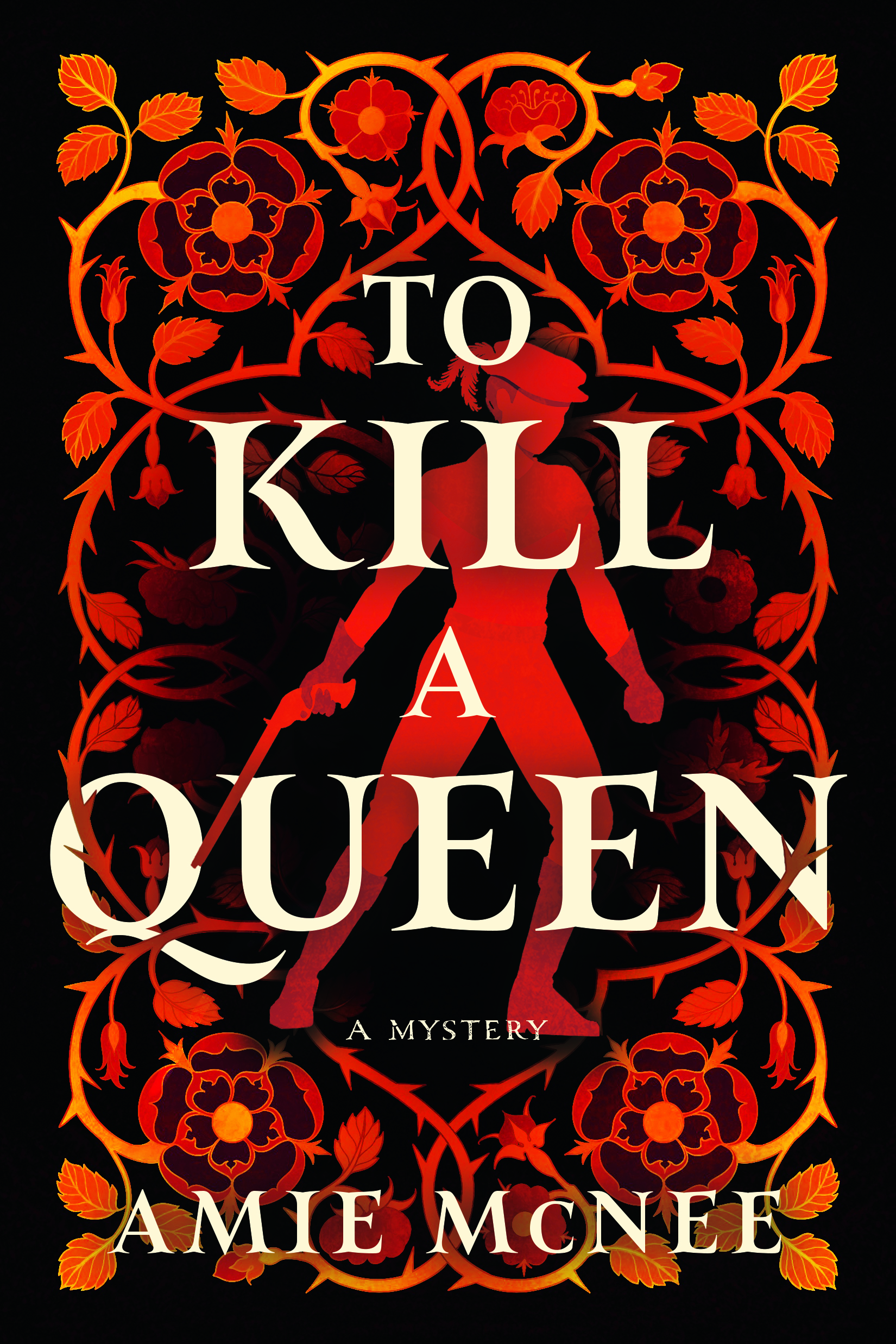
Book Review: Dive

Rating: 3.5 stars

From the moment Kassandra Conner leaps from the diving board to the moment she hits the water, everything feels in control.

The rest of her life does not.

St. Lawrence Academy is supposed to have everything Kass’s old school didn’t: safe hallways, small classes, and, most important, a chance to dive. But since transferring, all Kass can think about is what’s missing. Like her best friend, Aleah, who’s starting to pull away. Or the comfortable life so many of her classmates enjoy while Kass’s family’s restaurant struggles to stay afloat. Even the excitement she always felt in the pool, now that she’s on the same team as Amber Moore—the best diver in the state, who’s barely said two words to her all year.

Kass feels like she’s drowning, until she meets a boy named Miles. He’s a diver, too—someone who searches through dumpsters in the posh side of town for things he can salvage or sell. Miles knows what it’s like to be boxed in by things you can’t control, and as Kass spends more and more time with him, she starts to wonder what would happen if she tried to break out of her own box—and what she might lose by doing so.

I received a digital copy of this book through the publisher on NetGalley for an honest review.

Dive is a short coming-of-age story from the perspective of a thirteen-year-old girl named Kass who’s going through a lot of changes in her life. This book does a wonderful job of portraying these changes through Kass’s perspective as she struggles to fit in at her new school on the diving team, while still staying in touch with her best friend, Aleah, and realizing the struggles her parents are facing in keeping the family restaurant afloat. Also tells her story in meeting Miles, a boy who also does a type of diving of his own: dumpster diving, and her realization that people have bigger problems to deal with than struggling to fit in at school and make friends.

The main themes in this book’s story are powerful, as Dive is a story teaches you not to judge others by their appearances, that sometimes change can be a wonderful thing, and that you don’t always know what other people are going through. You see these themes sprinkled throughout the story through the choices Kass makes when it comes to her friendship with Miles, and how, as the book goes on, she starts up a friendship with Amber, the girl she sees as the best diver on her team, who didn’t seem approachable to her at the beginning of the book. I enjoyed seeing Kass’s character develop in the story because of her interactions with Miles and how she was able to gain confidence to become friends with Amber and gain confidence to improve in diving.

I also enjoyed seeing her friendship with her best friend, Aleah. At the beginning of the story, Kass was worried about how attending St. Lawrence Academy would change her friendship with Aleah. She was worried that they would end up losing touch just because they weren’t talking as much since Kass attended her new school. But after the salsa night/sleepover at her house with Aleah and Amber, I felt like, if anything, her friendship with Aleah had improved. And I also felt like it showed that while some things in her life changed, her friendship with Aleah wasn’t something that would change just because she was at a different school.

However, while I enjoyed reading Dive, I have some criticisms of this book, too. I felt like there were times when I was taken out of the story because of Kass’s character. For a thirteen-year-old, her voice in the story didn’t come across as her being that age to me. Yes, she didn’t make the best choices in the story, and her actions made her come across as her age. But when it came to her awareness of her parents’ struggling financially and her being aware of others having bigger issues than her, I felt like she had more maturity than I was expecting of her character. Yes, I’m aware that kids have more awareness of things than people tend to give them credit for, but I do feel like her voice in this book has more awareness for someone her age than you’d expect, which made me sometimes forget that she was only thirteen, as her character easily could’ve been a couple of years older.

Speaking of age, though, while I enjoyed her friendship with Miles and enjoyed his character, I also found their friendship problematic. He’s older than her by several years, which becomes a problem in this book pretty early on. Especially because the circumstances Kass meets him from the outside looking in are perceived as suspicious. I know from her talking about him and their interactions in the story that he had no bad intentions when it came to their friendship. But she’s aware, too, that her choice in spending time with him is something the people closest to her wouldn’t be okay with, either, since anytime from the moment she meets him, she’s lied about where she’s going and who she’s hanging out with. This becomes especially apparent when she tells Aleah and Amber about him as well, because they have the reaction you’d expect: concerned for her well-being and worried that he’s taking advantage of her. I feel like having this age gap takes away from the overall message this book was conveying to its readers because their age difference becomes a main conflict in the story that causes problems. I feel like it took away from the main themes in the story by creating conflict with it. I wouldn’t see it as too much of an issue if Kass’s character hadn’t developed feelings for Miles, if Kass were closer in age to him, and if the other characters in the story (such as her friends and family) didn’t have an issue with it.

As a whole, though, I enjoyed reading Dive as I found Kass’s struggles relatable, and it was nice to see her character development throughout. I just wish the author had made her character a little bit older, as I feel like it would resolve a lot of the issues I had with this book. I do still recommend this book, though, especially to younger readers, as I feel like they’ll enjoy reading this book, and I feel like the themes they would be able to relate to. Dive was published on August 19, 2025, for those interested in reading this book.

Book Review: Guardians of Dawn: Yuli (Guardians of Dawn #3)

Rating: 4 stars

Princess Yulana has a few problems. Her late grandfather has died without naming an heir, civil war threatens to tear the Morning Realms apart, a strange waking dreamer sickness is sweeping through the land, and a plague of hungry ghosts roam the steppes. On top of all of that, Kho, her former best friend turned rival, is getting under her skin. A struggle for power divides the north, and the outcome rests on the winner of the Grand Game―a competition that will determine not just the future of her people, but the course of the entire empire.

When the world is out of balance, the Guardians of Dawn are reborn.

As the Guardian of Wind, it is Yuli’s responsibility to bring order to chaos, along with the Guardian of Fire and the Guardian of Wood. But can she restore balance to the Morning Realms when she can’t even win the political games being played at home? The fate of the Morning Realms depends on the Guardians of Dawn, and whether Yuli can manage both the demonic and political chaos at once.

I received a digital copy of this book through the publisher on NetGalley for an honest review.

After reading this book’s predecessors, Guardians of Dawn: Yuli does a wonderful job of picking up where they left off, and keeps me, as a reader, hooked to find out what happened next. I already knew I’d enjoy reading a book from Yuli’s perspective because I’ve enjoyed her character since she was introduced in Guardians of Dawn: Zhara. And this book confirmed that, because her perspective was what I was expecting. However, I also enjoyed it because she’s an enjoyable character in this series to me. What makes her enjoyable as a character is how relatable she is. I also enjoyed getting to see her use her magic as the Guardian of Wind.

What I also enjoyed about reading this book was the perspectives of the other characters. I especially enjoyed reading Yuli’s best friend Kho’s story. Like Yuli, I found her to be enjoyable to read about. I especially enjoyed reading the chapters that had both of them in it, as I enjoyed seeing their interactions with each other. At the same time, though, I also felt bad for Kho in this book. She has a lot that’s expected of her to do in the name of her family, and then a lot of bad things happen to her family as the story progresses. I also enjoyed seeing Zhara and Ami again here and seeing what they were up to after the events in Guardians of Dawn: Ami. It was nice getting to see them again and having them all work together with Yuli and Kho.

What I also enjoyed about Guardians of Dawn: Yuli was the fantasy elements in the story, as well as learning about the Grand Game. In this book, there’s a waking dreamer sickness infecting people in the Morning Realms that only Yuli’s magic as the Guardian of Wind can help heal. But she has something else to deal with while this is going on because the Morning Realms are currently under threat of war. This is due to the death of her grandfather, who didn’t name a successor to the realm, and she volunteers to compete in the Grand Game to prevent the empire from falling into the wrong hands. I enjoyed this aspect of the story because I felt like, as a reader, I was getting to see what was going on in Yuli’s life and what she would have to do as the Guardian of Wind to help protect the world from evil.

If there’s anything with Guardians of Dawn: Yuli that I didn’t enjoy, it would have to be how predictable certain moments in the story were, and the ending. When I was reading, I felt like I knew pretty early on which character was the demon responsible for the waking dreamer sickness that Yuli would have to face. And as the story continued and events happened, I felt like I was just receiving even more confirmation that this character was responsible for what was going on here. While I don’t necessarily mind, I feel like it did take away from me wanting to find out who it was because of how it would impact one of the characters’ lives. I also didn’t like the ending too, because I feel like it left a lot unresolved. Granted, I know there’s going to be another book in this series, as I know the last Guardian hasn’t been revealed yet. But I feel like it left so many things open that I’m having a hard time visualizing how the next book will wrap everything up. I also didn’t like it because of how it’ll impact Yuli and Kho’s relationship in the next book.

But overall, I enjoyed reading this book just as much as I enjoyed reading the rest of the books in this series. And I highly recommend this book to anyone else who’s already read Guardians of Dawn: Zhara and Guardians of Dawn: Ami and found they enjoyed those books in this world and want to read more of the characters’ story. I also recommend this book to anyone who enjoys a story that focuses more on the fantasy elements in the plot than romance, as while there’s romance in this series, it’s pretty light in comparison to other book series I’ve read. So if you love reading books with fantasy and romance but focus more on fantasy, I think you’ll really enjoy reading this. Guardians of Dawn: Yuli was published on August 19, 2025, for those interested in continuing to read the Guardians of Dawn series.        

Book Review: The Witch’s Orchard

Rating: 4 stars

A ninth generation Appalachian herself, Archer Sullivan brings the mountains of North Carolina to life in The Witch’s Orchard, a wonderfully atmospheric novel that introduces private investigator Annie Gore.

Former Air Force Special Investigator Annie Gore joined the military right after high school to escape the fraught homelife of her childhood. Now, she’s getting by as a private investigator and her latest case takes her to an Appalachian holler not unlike the one where she grew up.

Ten years ago, three little girls went missing from their tiny mountain town. While one was returned, the others were never seen again. After all this time without answers, the brother of one of the girls wants to hire an outsider, and he wants Annie. While she may not be from his town, she gets mountain towns. Mountain people. Driving back into the hills for a case this old—it might be a fool’s errand. But Annie needs to put money in the bank and she can’t turn down a case. Not even one that dredges up her own painful past.

In the shadow of the Blue Ridge, Annie begins to track the truth, navigating a decade’s worth of secrets, folklore of witches and crows, and a whole town that prefers to forget. But while the case may have been buried, echoes of the past linger. And Annie’s arrival stirs someone into action.

I received a digital copy of this book through the publisher on NetGalley for an honest review.

From start to finish, The Witch’s Orchard was a thrilling read that I couldn’t wait to read to its conclusion. With the setting taking place in a small mountain town in North Carolina, I felt like I could imagine what the inhabitants were like whenever Annie described them, as they all seemed like the typical people who would live in such a place. I also felt that I could imagine the terrain where this story takes place, and I was excited to find out where Annie’s investigation would lead me as a reader.

One of my favorite things about the story here was uncovering the mystery surrounding these young girls’ disappearances. There’s just something really exciting to me about reading books where people go missing through the investigator’s eyes to uncover who’s responsible and why. I think a lot of the excitement, to me, stems from trying to figure out who’s responsible, as the investigator is interviewing people and uncovering clues. And along with that, these disappearances happened in such a small town, which made it more interesting because there are only so many people who could’ve taken them. I found myself feeling like Annie and having a difficult time pinpointing who I thought had taken them.

What I also enjoyed about The Witch’s Orchard was the local story about the Quartz Creek Witch. During her investigation, Annie asked everyone in the town about this story, and each person’s account of it was different. And I loved that not everyone told her this story the same way, because I felt like it was just another mystery, along with finding out what happened to the girls who disappeared in this town. It also made you wonder if the person who took the girls felt a connection to the Quartz Creek Witch in that the person responsible felt like they were giving these girls a better life than the one they had.

If there’s anything with this book, I didn’t particularly enjoy it was the lack of character development and the ending. In this book, I wanted to learn more about Annie and her life. While The Witch’s Orchard does give you a sneak peek into her past before coming into this town, I felt like it gave me just barely enough to keep me hooked on the story. But I wanted to learn more, especially about her relationship with Leo, which gets hinted at throughout, and how she grew up, which also gets hinted at here. I also wanted to learn more about these characters in this small town she goes to, but I feel like with this book, we barely get to know them before the case is solved and she goes back home. That’s why I wasn’t particularly fond of the ending, too, because I wanted to see what happened with these characters now that Annie figured out who took the girls.

But overall, I enjoyed reading The Witch’s Orchard. It was a book with just enough mystery to keep me hooked and coming back for more. I also enjoyed the setting, taking place in a small mountain town in North Carolina, and the different local stories about the Quartz Creek Witch. The perfect read for anyone looking for a simple mystery to enjoy. The Witch’s Orchard was published on August 12, 2025, for anyone interested in giving this book a read.          
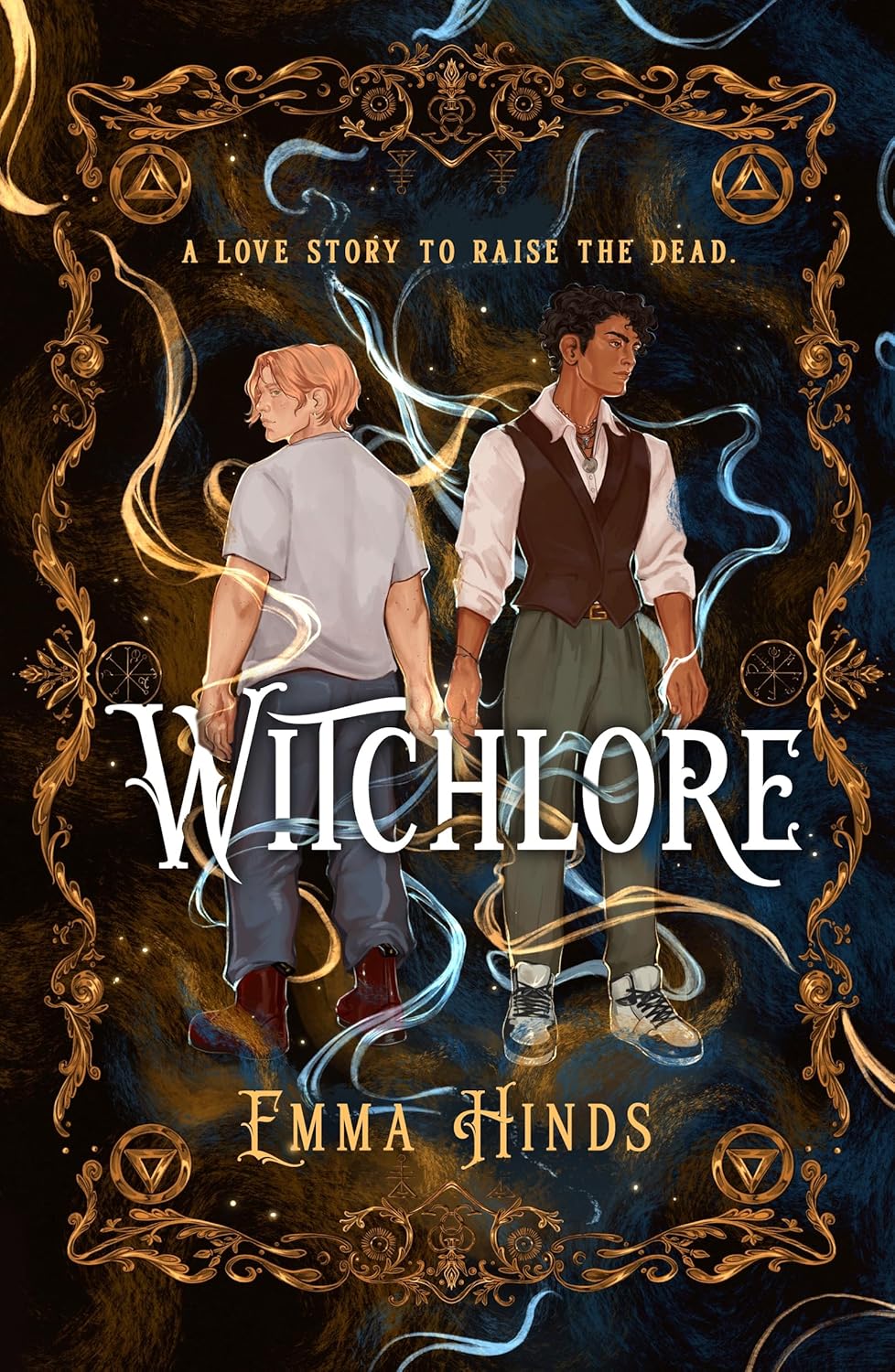
Book Review: The Entirely True Story of the Fantastical Mesmerist Nora Grey

Rating: 4 stars

As spiritualism reaches its fevered pitch at the dawn of the 20th century, a Scottish girl crosses the veil to unlock a powerful connection within an infamous asylum in this thrillingly atmospheric, exquisitely evocative exploration of feminine rage and agency for readers of Sarah Penner, Alice Hoffman, and Hester Fox.

Leaving behind a quiet life of simple comforts, Nairna Liath traverses the Scottish countryside with her charlatan father, Tavish. From remote cottages to rural fairs, the duo scrapes by on paltry coins as Tavish orchestrates “encounters” with the departed, while Nairna interprets tarot cards for those willing to pay for what they wish to hear.

But beyond her father’s trickery, Nairna possesses a genuine gift for communicating with the spirit world, one that could get an impoverished country girl branded a witch. A talent inherited from her grandmother, Lottie Liath, widow of a Welsh coalminer, whose story of imprisonment and exploitation in a notorious asylum is calling out to Nairna from four decades past—a warning to break free from the manipulations, greed, and betrayals of others.

What do the cards hold for Nairna’s future?

Rescued from homelessness by a well-connected stranger, Nairna is whisked into a new life among Edinburgh’s elite Spiritualist circle, including visiting American star Dorothy Kellings. Researchers, doctors, psychics, and thrill-seekers clamor for the rising young medium. But after a séance with blood-chilling results, a shocking scandal ensues, and Nairna flees to a secluded community near Boston, where she assumes a new Nora Grey.

But Nora can’t stay hidden when Dorothy Kellings offers her the chance to face all comers and silence skeptics at a spectacular séance at Boston’s Old South Meeting Hall, where Nora will come face to face at last with her spiritual the courageous Lottie Liath, whose heart-wrenching story and profound messages are indelibly tied to Nora’s destiny.

I received a digital copy of this book through the publisher on NetGalley for an honest review.

The Entirely True Story of the Fantastical Mesmerist Nora Grey is a fantastical historical fiction novel that focuses on the history of spiritualism. This is explored through the perspectives of Nairna (also known as Nora Grey) and her grandmother, Lottie, who both unexpectedly discover their spiritual abilities. I enjoyed reading the perspectives of both women on what was happening in their lives and how they each confronted their newly discovered abilities, as I found learning about these spiritual experiences to be very interesting.   

While both these women lived in different times, what connected them (besides the obvious) was their disdain for the circumstances they found themselves in when it came to utilizing their talents. How others manipulated both of them for personal gain, one manipulated in the name of science and research, and the other manipulated so that others could gain notoriety and be set up for life. It’s no wonder this book is full of feminine rage because both women had several people trying to use them for their gain without caring how Nairna and Lottie felt about it. And I found myself feeling empathetic towards both women as a result as I read their stories, hoping for the best for them.

What I also enjoyed about The Entirely True Story of the Fantastical Mesmerist Nora Grey was in the beginning of each chapter, the articles pertaining to the events that take place in the story. They felt like a good sneak peek into what I could expect to happen in their following chapters and helped me to piece everything that was to happen together.

I also enjoyed the different relationships that occurred throughout the story, mostly with regard to Lottie’s relationships to the women in charge of the asylum she was sentenced to stay in, and Nairna’s complicated relationship with her father, Tavish. I felt like the women in the asylum, Lottie finds herself forced to stay in, genuinely cared about her well-being, and wanted to do right by her, but unfortunately, didn’t have too much power when it came to stopping the doctors’ “experiments.” As for Nairna and her father Tavish, while I didn’t like Tavish in the beginning of The Entirely True Story of the Fantastical Mesmerist Nora Grey because of what he had Nairna help him do to survive in their world, once Nairna makes a name for herself as Nora and Lottie begins to make her appearances, I found myself feeling for him in this book. This is mostly due to him not getting the chance to know his mother all his life, and him having to find out the truth behind why that was the case through Nairna’s abilities. I felt like it was a good way for this book to show generational trauma, which made him a more sympathetic character in the story.

One of the issues I have with The Entirely True Story of the Fantastical Mesmerist Nora Grey, though, is that while I enjoyed the story, it also felt too predictable. I feel this way because it was pretty obvious once you know who Lottie is in relation to Nairna that things don’t work out for her. Especially knowing already that Tavish didn’t know either of his parents, it became clear that things weren’t going to change just because Nairna and Lottie were able to see each other, even though they lived in different times. Nairna’s story is also predictable to me because I knew already she was continuing to do these seances because of wanting to uncover the full story of what happened to her grandmother once she realized that’s who she was seeing. She also makes it clear how she feels about participating in these seances early on, so it was no surprise to me that once she finds out what she does that she decides to no longer participate in them.

I was also disappointed with the magical aspects in this book. I feel like this aspect of the story disappointed me because, as the reader, I was given insight into how these seances were made possible, and I feel like that ruined a little of the magic for me. It also felt more like science than magic to me, especially because of the way it’s explained and the way the doctors use Lottie for their experiments.

As a whole, The Entirely True Story of the Fantastical Mesmerist NoraGrey was an enjoyable read for me. I enjoyed learning more about spiritualism through Nairna and Lottie’s perspectives, seeing the theme of feminine rage throughout, and enjoying the articles at the beginning of each chapter as they gave me a sneak peek of what was to come. And I recommend this book to others reading this post who enjoy reading historical fiction that focuses on spiritualism, and those who enjoy reading books that discuss feminine rage. The Entirely True Story of the Fantastical Mesmerist Nora Grey is set to release on July 29, 2025 for those interested in giving this fantastic book a read.  

Book Review: Midnight at the Cinema Palace

Rating: 3 stars

Walter Simmering is searching for love and purpose in a city he doesn’t realize is fading away—San Francisco in 1993, at the height of the AIDS epidemic and the dawn of the tech revolution. Out of college, out of the closet, and transplanted from the Midwest, Walter is irresistibly drawn from his shell when he meets Cary Menuhin and Sasha Stravinsky, a dynamic couple who live blithely beyond the boundaries of gender and sexuality. Witty and ultra-stylish, Cary and Sasha seem to have stepped straight out of a sultry film noir, captivating Walter through a shared obsession with cinema and Hollywood’s golden age.

As the three embark on adventures across the city, filled with joie de vivre, their lively friendship evolves in unexpected ways. When Walter befriends Lawrence, a filmmaker and former child actor living with HIV, they pursue a film project of their own, with hilarious and tragic results.

Midnight at the Cinema Palace is a vibrant and nostalgic exploration of young souls discovering themselves amidst the backdrop of a disappearing city. Christopher Tradowsky’s astonishing debut captures the essence of ’90s queer culture and the complex lives of friends seeking an aesthetically beautiful and fulfilling way of life.

I received a digital copy of this book through the publisher on NetGalley for an honest review.

Midnight at the Cinema Palace was an interesting read, particularly in its exploration of the characters’ relationships and the discussions that involved sexuality. I particularly enjoyed seeing Walter’s relationships with Cary and Sasha, as well as his friendships with Jeff, Fiona, Kelly, and Lawrence. I feel that all these characters made this book interesting for me to read, as they each brought Walter out of his introverted shell and made him see the world he lived in from a different perspective. As I had never read a story that deeply explored the relationship between a throuple, I was fascinated to see how Walter, Cary, and Sasha interacted with each other and how their sexuality influenced their interactions. With regards to Walter’s friendships, it was interesting to see how he interacted with all of his friends in comparison to how he acted when he was with Cary and Sasha. 

What I also enjoyed about this book is how descriptive Christopher Tradowsky’s writing is when it comes to describing San Francisco and the life Walter lives. While at times the story felt too descriptive, so that I felt overwhelmed in trying to imagine this city, I also felt like this book was a love letter to San Francisco and to those who live there. It was also interesting to read about this time to me, as 1993 is the year I was born. So it was interesting to read about this time from the perspective of an adult living through this time since I didn’t personally get to experience what Walter and this cast of characters were going through.

I also enjoyed Midnight at the Cinema Palace as there were segments of the screenplay Walter and Cary were working on together included in some of the chapters. I found it interesting to be given the screenplay they were working on together, as I was reading about their relationship, as I was able to see how they worked together creatively.

If there’s anything with this book, I didn’t particularly enjoy it was the plot. Or lack thereof, because I was expecting it to be a little different from what it was. In the synopsis of the book, the AIDS epidemic was mentioned, but as a reader, the AIDS epidemic isn’t a huge part of the plot in the story. The main story here is with regard to Walter’s relationship with Cary and Sasha. Which I didn’t necessarily mind as I like them as characters and was interested to see how things would transpire with them. My problem with this being the plot is that I didn’t truly feel like the story went anywhere here until Walter met them. So the beginning of the book was very slow-moving to me until they came into the picture.

But even once they all meet, I still feel like the plot wasn’t all that much either. Mostly because a majority of their interactions with each other involved going out partying together, and Walter getting drunk. Which, to me, felt like a filler in the story, as I feel like most of those times out together didn’t need to be written about. I feel like the book didn’t pick up plot-wise until halfway through, which isn’t good because people are more likely to have already decided if they’ll continue reading the book by that point.

As a whole, though, what made Midnight at the Cinema Palace a good read for me was the characters and seeing the world of San Francisco they live in. Just be prepared to be disappointed if you’re looking to read a book with a fast-moving plot, as this book doesn’t have one, even though it was still enjoyable to read. For those interested in reading Midnight at the Cinema Palace, it was published on June 10, 2025, so it is now available for you to read.  


Book Review: Sing the Truth (The Kweli Journal Short Story Collection)

Rating: 3.5 stars

Celebrating 15 Years of Kweli: A must-read collection of bold BIPOC voices.

Hailed as “The Paris Review of BIPOC literature,” Kweli Journal has been a launching pad for many of today’s most celebrated writers. This powerful anthology marks the journal’s 15th anniversary, showcasing 15 unforgettable stories curated by founder Laura Pegram.

With a foreword from award-winning author Edwidge Danticat, the narratives included in this vivid anthology explore the devastation of leaving home and the struggle to adapt to reimagined lives, lost loves, distant families, and buried pasts.

Featuring works from authors including Naima Coster, DéLana R.A. Dameron, Nicole Dennis-Benn, Daphne Palasi Andreades, Susan Muaddi Darraj, and Princess Joy L. Perry, this collection is a testament to the richness and diversity of voices often marginalized in mainstream literature. These stories delve into themes of displacement, loss, and resilience, challenging readers to broaden their perspectives and deepen their understanding of the human experience.

All proceeds from this collection go directly to Kweli Journal, ensuring the continued support of emerging BIPOC writers and the creation of a vibrant literary community.

I received a digital copy of this book on NetGalley for an honest review.

The collection of short stories in the Kweli Journal’s Sing the Truth was an enjoyable read for me. What I liked about these stories is how I felt like I was the person narrating their stories, like I was living their everyday experience. Even though I know I can’t relate to these characters and all their struggles, I didn’t feel that way when reading their stories. I believe a lot of that is due to how real these characters’ struggles felt to me, which is what I was hoping for when I read this collection.

What I also enjoyed reading Sing the Truth was getting to read stories from BIPOC writers. I’m going to be honest, I’m not always the best at reading a diverse set of books. I have a particular set of genres that I really enjoy reading, and I typically stick to reading books within those genres. However, from time to time, I find myself wanting to give other genres in literature a try.  That is when I find myself reading stories I typically wouldn’t, and end up discovering books I enjoy more than I was expecting to.

For me, whenever I read, I usually read books that allow me to escape reality. But I have come to realize, too, that I need to branch out when I read. And for me, that involves reading books outside of the genres I typically enjoy and reading stories that take me out of my comfort zone. As a white woman, I feel like it’s really important that I read stories from BIPOC authors and that I read stories about characters whose voices need to be heard. Stories that are not geared towards someone like me as their intended audience, but that someone like me needs to read all the same, because of the importance of reading about others’ struggles, even if you can’t necessarily relate to them. I also feel like it’s important to read works written by BIPOC authors because I see it as a learning opportunity about other cultures and to acknowledge the struggles people go through just because of the color of their skin. So, for me, I also enjoyed reading this book because of the stories being written by BIPOC writers and having the chance to read about struggles from a perspective I know I’ll never have to face.

What I also found enjoyable about the stories in Sing the Truth was the different themes. A lot of the characters in this collection struggled with loss, feeling out of place, and finances. I enjoyed these stories because they talk about these struggles and how the characters here get through the challenges they are dealing with. I especially enjoyed reading the stories in the collection that focused on loss because of my own experiences with loss that I’ve dealt with. I felt like I could relate to those characters and the choices they made to deal with the loss they were experiencing, even though their loss is different from mine.

There are only two things with this collection of short stories that I didn’t particularly enjoy: the characters and endings. Some of the characters in the short stories I didn’t particularly like. I don’t know for sure if the authors who wrote them made that intentional, but I found some of the characters unlikable. I felt sympathetic for them because of what they were going through, but didn’t like them because of some of the choices they made or how they treated members of their family in the story. The characters, in particular, that come to mind for me are the mothers in most of these stories because of how they used their daughters to get the money they needed. While I understood that they were going through a tough time and needed the money, I wasn’t okay with this aspect in those stories because I felt like the daughters weren’t given a choice in the matter, and the mothers didn’t act like they cared. I also didn’t like the endings for a majority of the stories in this collection. Mostly because I felt like some of the stories ended with no real resolution, or in the middle of the story I was reading, being told. They didn’t make sense to me because they left me feeling like there was more of the characters’ story the author had to tell.

But overall, I enjoyed reading this collection of short stories from the Kweli Journal’s Sing the Truth (link here for anyone interested in checking out their website to learn more about them: https://www.kwelijournal.org/ ). While there aren’t certain stories within the collection that stand out to me to name as my favorite, I enjoyed reading a variety of stories and reading about struggles told by BIPOC authors. Sing the Truth was published on May 13, 2025, for those interested in reading this collection from the Kweli Journal.            

Book Review: Out of Air

Rating: 4 stars

The deeper you go, the darker you fall.

Phoebe “Phibs” Ray is never more at home than when she’s underwater. On a dive six months ago, she and her four closest friends discovered a handful of ancient gold coins, rocketing them into social media fame. Now, their final summer together after high school, they’re taking one last trip to a distant Australian island to do what they love most – scuba dive.

While diving a local reef, Phibs discovers a spectacular underwater sea cave, rumored to be a lost cave with a buried treasure. But when Phibs and her best friend Gabe surface from the cave, they notice that they’re undergoing strange changes. Oozing gashes that don’t heal. Haunting whispers in their heads… Something has latched onto them, lurking beneath their skin, transforming them from the inside out.

When treasure hunters arrive, desperate to find the location of the cave and hold Phibs’ group for ransom, she’ll do anything to keep her friends safe. In the process she learns that, of all the dreadful creatures of the sea, she might be the most terrifying of them all.

I received a digital copy of this book through the publisher on NetGalley for an honest review.

Out of Air was an enjoyable read for me. It’s the perfect type of book to read for anyone interested in learning about diving and anyone who enjoys the sea without having to leave the comfort of their home. The imagery the author uses throughout the story to describe where Phibs and her friends were when they went diving made me feel like I was right there with them, waiting to see what they would uncover next. And it made me interested in reading her story to see what would happen with her and her friends.  

What I also enjoyed about this book was the switch between the past and the present. I felt like it was a wonderful way to get to know this group of teens and get an understanding of their dynamics together. I also feel like it gave me a better understanding of what had happened to them six months ago, which had resulted in their little group getting the amount of media attention they received. It also felt like a great way to connect to what was presently going on because you can see how the choices they made then impacted their present.

Out of Air is also a book that has an overall great vibe, as I felt many different emotions while reading it. I feel like this is because, as the plot unfolds, you can feel the tension in the air as you know there’s something bad that’s going to happen, but you don’t necessarily know what. But with each turn of the page, you can feel it, which makes you want to continue reading the story to find out what’s going to happen. The pacing of the story in this book was just perfect for what was going on, so I couldn’t wait to continue reading it.

I even enjoyed the open ending. As a reader, I felt like it allowed me to interpret what I felt would happen with these characters after everything they endured. I do, however, feel like this book ended too suddenly for what was going on. This bothered me because I feel like there was more to their story that could’ve been told. I also feel like a lot of the conflicts in this book were too easily resolved, which could also be a part of why I feel like this story needed more story in it than what I read. The best example that comes to mind for me is when Phibs finds out who in her friend group is the one who kept their coin when she had asked her friends to turn them in. The reason we found out is that this character tells Phibs they kept the coin and tells her why as well. And then it ends up becoming a non-issue once it’s revealed, too, even though she’s been upset about it the whole time.      

If there is anything else with this book I didn’t enjoy it would have to be a lack of character development. Granted, I didn’t mind the story being told from Phibs’ perspective. But what bothered me was that I feel like with this book, what happened to these characters could’ve easily happened to anyone, as I feel like these characters didn’t have much of a personality to me. It bothered me, though, because of how much I enjoyed reading this book, that I wanted these characters to have a little more personality than they do.

But overall, I enjoyed reading Out of Air. It was the perfect read for me as someone who’s always loved the ocean and was curious to learn about diving. It also felt like this book provided the perfect amount of tension in the story, which makes you want to continue to read it to find out what happens next for anyone who likes stories that have tension in them. Out of Air was published on May 13, 2025, for those interested in reading this book.            

Blog at WordPress.com.

Up ↑