Search

Rainy Day's Books, Video Games and Other Writings

Tag

historical fiction

Book Review: The Secret Book Society

Rating: 4 stars

A captivating new historical novel from Madeline Martin, set in Victorian London about a forbidden book club, dangerous secrets, and the women who dare to break free.
 
You are cordially invited to the Secret Book Society…
 
London, 1895: Trapped by oppressive marriages and societal expectations, three women receive a mysterious invitation to an afternoon tea at the home of the reclusive Lady Duxbury. Beneath the genteel facade of the gathering lies a secret book club—a sanctuary where they can discover freedom, sisterhood, and the courage to rewrite their stories.
 
Eleanor Clarke, a devoted mother suffocating under the tyranny of her husband. Rose Wharton, a transplanted American dollar princess struggling to fit the mold of an aristocratic wife. Lavinia Cavendish, an artistic young woman haunted by a dangerous family secret. All are drawn to the enigmatic Lady Duxbury, a thrice-widowed countess whose husbands’ untimely deaths have sparked whispers of murder.
 
As the women form deep, heartwarming friendships, they uncover secrets about their marriages, their pasts, and the risks they face. Their courage is their only weapon in the oppressive world that has kept them silent, but when secrets are deadly, one misstep could cost them everything.

I received a digital copy of this book through the publisher on NetGalley for an honest review.

The Secret Book Society was an enjoyable read for me. What I enjoyed about this book was reading the stories of these women during this time and seeing the friendships they developed with each other as the book progressed. Even though all these women’s stories were different, what they had in common was being suppressed by the men in their lives and not being able to enjoy a hobby that they loved. I really loved seeing these women come together in sisterhood and watching their friendship with each other blossom into a support system that was there for each other when needed.

I especially enjoyed reading this book because I found I could relate to the struggles one of the characters was dealing with. Having big emotions that you don’t always feel like you have control over is something I can definitely relate to, so I deeply felt for Lavinia when the book was from her perspective. I felt like I could relate to both Eleanor and Rose as well, but not quite as much as the struggles Lavinia was facing when it came to her emotions and how she handled situations she found herself dealing with in this book.

I also enjoyed that this book was from these women’s perspectives, and getting to learn more about Lady Duxbury through her diary. Hearing each of these women’s voices during this time was wonderful, even when I found myself feeling frustrated by the men in their lives. I enjoyed getting to learn more about Lady Duxbury, too, because you were able to see how she became the character you see in The Secret Book Society. Yes, she still ends up having some mystery to her character, but I feel like getting to read her diary was a great way to learn more about her.  

If there was anything I didn’t particularly enjoy with this book, it would be the ending. I enjoyed that things worked out for all of these characters, but I wanted to see more of their story after the events that transpired, instead of getting a little snippet about what happened. This is mostly because I enjoyed reading their story, but also because I wanted to see how their friendship continued to grow with everything they’d gone through.

As a whole, though, I enjoyed reading The Secret Book Society. I think it’s a book women should read to learn about what happened to women during that time and to see how they were treated by men because of their gender. Especially because each of these women are very relatable too. The Secret Book Society was published on August 26, 2025, for anyone interested in giving this book a read.  

Book Review: This Here is Love

Rating: 4 stars

Three people—two enslaved, one indentured—live beside each other, fighting, and sometimes failing, to be more than their pasts say they should be.

1690s, Tidewater, Virginia. Bless, born into slavery and taken by her masters to toil in the house, faces her mother’s fury, learning that cruelty can come from any side. David, an enslaved child of a freed father, dreams of the promise of liberty made to him. Jack, an impoverished Scots-Irish boy, sails to America to be indentured but, in the hellish crossing, finds his hopes fracturing. Yet, somehow, they all will stake a claim to love.

Hurston-Wright Award winner Princess Joy L. Perry tells us a previously unheard story—one in which characters must carve out choices from the narrowest of circumstances and confront heartrending How far would you go to protect your children from enslavement? How to create a lasting family after being torn from your own? What to value a hard-won opportunity or your humanity? This Here Is Love is an unforgettable story from an astonishing new voice.

I received a digital copy of this book through the publisher on NetGalley for an honest review.

This Here is Love was a challenging book to read, as it dealt with the difficult topic of slavery during the 1690s. The premise of the book centered on three different perspectives and their struggles with slavery: one struggling with slavery, one a free man looking to buy his family into freedom, and the last a man born into servitude, only for unexpected circumstances to occur that changed his lot in life. All three perspectives are unique in how they discuss what’s going on in their lives and deal with their lot in slavery, making this book an interesting read to me, despite how difficult it is to read about people not having a say in how they live their lives.

What I also enjoyed about reading this book was seeing the relationships between the different characters in the story, mostly about seeing Andrew’s relationship with his family and Bless’s relationship with her mother, Cassie. I was also happy to see Bless and David end up finding love in their lives with others than again with each other. I wish the circumstances of Bless and David being together were different, but I am glad they had each other for a little bit, as I felt like they truly needed each other.

As hard as this book is to read, I enjoyed how real the story is. It might not be pleasant to read about slavery in This Here is Love, but I felt like I learned a lot about that time. It makes me realize that no matter how difficult things are in my life, I’ll never have to deal with being seen as less than because of the color of my skin.

If there’s anything about this book, I didn’t enjoy, it would have to be the chapters from Jack’s perspective and the ending of this book for all of the characters. When Jack’s character was first introduced, I didn’t mind his character all too much. But as This Here is Love continues, I found myself disliking his character more and more. It’s not like I don’t understand why he makes the choices he makes, doesn’t mean I have to like them though either. I just got to a point where I didn’t have any sympathy for his character, even when he realizes in the end that his flesh and blood aren’t immune to being sold as a commodity. Yes, he makes the right choice in the end, but it’s not enough to redeem him for me. I also didn’t like the ending of this book with these characters because I felt like it left too much to interpret. I’d love to think that Andrew was not only reunited with his wife and son but also the rest of his family, too. But considering this time, it’s hard to imagine him getting his whole family back. I also want to believe that Bless gets reunited with her love, but I have a hard time imagining it.

As a whole, though while This Here is Love is a challenging read because of how it tackles slavery, I enjoyed reading it. I enjoyed reading the different perspectives, how real the story truly feels, and the relationships between the characters. Just didn’t enjoy reading Jack’s perspective, and wish the ending didn’t leave too much open-ended. I highly recommend though to anyone interested in reading historical fiction that talks about slavery. This Here is Love is set to be released on August 5, 2025, for those interested in giving this book a read.          
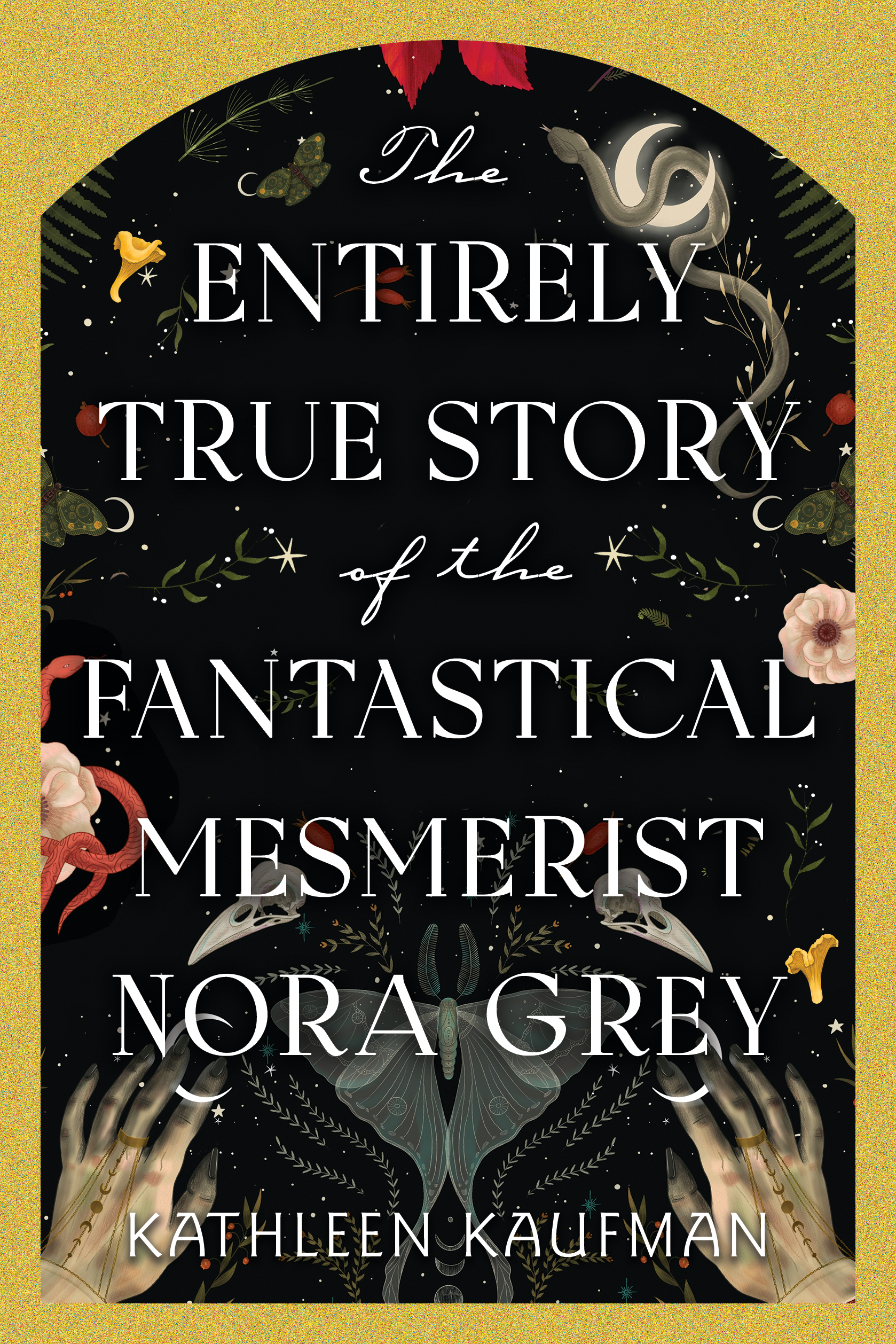
Book Review: The Entirely True Story of the Fantastical Mesmerist Nora Grey

Rating: 4 stars

As spiritualism reaches its fevered pitch at the dawn of the 20th century, a Scottish girl crosses the veil to unlock a powerful connection within an infamous asylum in this thrillingly atmospheric, exquisitely evocative exploration of feminine rage and agency for readers of Sarah Penner, Alice Hoffman, and Hester Fox.

Leaving behind a quiet life of simple comforts, Nairna Liath traverses the Scottish countryside with her charlatan father, Tavish. From remote cottages to rural fairs, the duo scrapes by on paltry coins as Tavish orchestrates “encounters” with the departed, while Nairna interprets tarot cards for those willing to pay for what they wish to hear.

But beyond her father’s trickery, Nairna possesses a genuine gift for communicating with the spirit world, one that could get an impoverished country girl branded a witch. A talent inherited from her grandmother, Lottie Liath, widow of a Welsh coalminer, whose story of imprisonment and exploitation in a notorious asylum is calling out to Nairna from four decades past—a warning to break free from the manipulations, greed, and betrayals of others.

What do the cards hold for Nairna’s future?

Rescued from homelessness by a well-connected stranger, Nairna is whisked into a new life among Edinburgh’s elite Spiritualist circle, including visiting American star Dorothy Kellings. Researchers, doctors, psychics, and thrill-seekers clamor for the rising young medium. But after a séance with blood-chilling results, a shocking scandal ensues, and Nairna flees to a secluded community near Boston, where she assumes a new Nora Grey.

But Nora can’t stay hidden when Dorothy Kellings offers her the chance to face all comers and silence skeptics at a spectacular séance at Boston’s Old South Meeting Hall, where Nora will come face to face at last with her spiritual the courageous Lottie Liath, whose heart-wrenching story and profound messages are indelibly tied to Nora’s destiny.

I received a digital copy of this book through the publisher on NetGalley for an honest review.

The Entirely True Story of the Fantastical Mesmerist Nora Grey is a fantastical historical fiction novel that focuses on the history of spiritualism. This is explored through the perspectives of Nairna (also known as Nora Grey) and her grandmother, Lottie, who both unexpectedly discover their spiritual abilities. I enjoyed reading the perspectives of both women on what was happening in their lives and how they each confronted their newly discovered abilities, as I found learning about these spiritual experiences to be very interesting.   

While both these women lived in different times, what connected them (besides the obvious) was their disdain for the circumstances they found themselves in when it came to utilizing their talents. How others manipulated both of them for personal gain, one manipulated in the name of science and research, and the other manipulated so that others could gain notoriety and be set up for life. It’s no wonder this book is full of feminine rage because both women had several people trying to use them for their gain without caring how Nairna and Lottie felt about it. And I found myself feeling empathetic towards both women as a result as I read their stories, hoping for the best for them.

What I also enjoyed about The Entirely True Story of the Fantastical Mesmerist Nora Grey was in the beginning of each chapter, the articles pertaining to the events that take place in the story. They felt like a good sneak peek into what I could expect to happen in their following chapters and helped me to piece everything that was to happen together.

I also enjoyed the different relationships that occurred throughout the story, mostly with regard to Lottie’s relationships to the women in charge of the asylum she was sentenced to stay in, and Nairna’s complicated relationship with her father, Tavish. I felt like the women in the asylum, Lottie finds herself forced to stay in, genuinely cared about her well-being, and wanted to do right by her, but unfortunately, didn’t have too much power when it came to stopping the doctors’ “experiments.” As for Nairna and her father Tavish, while I didn’t like Tavish in the beginning of The Entirely True Story of the Fantastical Mesmerist Nora Grey because of what he had Nairna help him do to survive in their world, once Nairna makes a name for herself as Nora and Lottie begins to make her appearances, I found myself feeling for him in this book. This is mostly due to him not getting the chance to know his mother all his life, and him having to find out the truth behind why that was the case through Nairna’s abilities. I felt like it was a good way for this book to show generational trauma, which made him a more sympathetic character in the story.

One of the issues I have with The Entirely True Story of the Fantastical Mesmerist Nora Grey, though, is that while I enjoyed the story, it also felt too predictable. I feel this way because it was pretty obvious once you know who Lottie is in relation to Nairna that things don’t work out for her. Especially knowing already that Tavish didn’t know either of his parents, it became clear that things weren’t going to change just because Nairna and Lottie were able to see each other, even though they lived in different times. Nairna’s story is also predictable to me because I knew already she was continuing to do these seances because of wanting to uncover the full story of what happened to her grandmother once she realized that’s who she was seeing. She also makes it clear how she feels about participating in these seances early on, so it was no surprise to me that once she finds out what she does that she decides to no longer participate in them.

I was also disappointed with the magical aspects in this book. I feel like this aspect of the story disappointed me because, as the reader, I was given insight into how these seances were made possible, and I feel like that ruined a little of the magic for me. It also felt more like science than magic to me, especially because of the way it’s explained and the way the doctors use Lottie for their experiments.

As a whole, The Entirely True Story of the Fantastical Mesmerist NoraGrey was an enjoyable read for me. I enjoyed learning more about spiritualism through Nairna and Lottie’s perspectives, seeing the theme of feminine rage throughout, and enjoying the articles at the beginning of each chapter as they gave me a sneak peek of what was to come. And I recommend this book to others reading this post who enjoy reading historical fiction that focuses on spiritualism, and those who enjoy reading books that discuss feminine rage. The Entirely True Story of the Fantastical Mesmerist Nora Grey is set to release on July 29, 2025 for those interested in giving this fantastic book a read.  

Book Review: Midnight at the Cinema Palace

Rating: 3 stars

Walter Simmering is searching for love and purpose in a city he doesn’t realize is fading away—San Francisco in 1993, at the height of the AIDS epidemic and the dawn of the tech revolution. Out of college, out of the closet, and transplanted from the Midwest, Walter is irresistibly drawn from his shell when he meets Cary Menuhin and Sasha Stravinsky, a dynamic couple who live blithely beyond the boundaries of gender and sexuality. Witty and ultra-stylish, Cary and Sasha seem to have stepped straight out of a sultry film noir, captivating Walter through a shared obsession with cinema and Hollywood’s golden age.

As the three embark on adventures across the city, filled with joie de vivre, their lively friendship evolves in unexpected ways. When Walter befriends Lawrence, a filmmaker and former child actor living with HIV, they pursue a film project of their own, with hilarious and tragic results.

Midnight at the Cinema Palace is a vibrant and nostalgic exploration of young souls discovering themselves amidst the backdrop of a disappearing city. Christopher Tradowsky’s astonishing debut captures the essence of ’90s queer culture and the complex lives of friends seeking an aesthetically beautiful and fulfilling way of life.

I received a digital copy of this book through the publisher on NetGalley for an honest review.

Midnight at the Cinema Palace was an interesting read, particularly in its exploration of the characters’ relationships and the discussions that involved sexuality. I particularly enjoyed seeing Walter’s relationships with Cary and Sasha, as well as his friendships with Jeff, Fiona, Kelly, and Lawrence. I feel that all these characters made this book interesting for me to read, as they each brought Walter out of his introverted shell and made him see the world he lived in from a different perspective. As I had never read a story that deeply explored the relationship between a throuple, I was fascinated to see how Walter, Cary, and Sasha interacted with each other and how their sexuality influenced their interactions. With regards to Walter’s friendships, it was interesting to see how he interacted with all of his friends in comparison to how he acted when he was with Cary and Sasha. 

What I also enjoyed about this book is how descriptive Christopher Tradowsky’s writing is when it comes to describing San Francisco and the life Walter lives. While at times the story felt too descriptive, so that I felt overwhelmed in trying to imagine this city, I also felt like this book was a love letter to San Francisco and to those who live there. It was also interesting to read about this time to me, as 1993 is the year I was born. So it was interesting to read about this time from the perspective of an adult living through this time since I didn’t personally get to experience what Walter and this cast of characters were going through.

I also enjoyed Midnight at the Cinema Palace as there were segments of the screenplay Walter and Cary were working on together included in some of the chapters. I found it interesting to be given the screenplay they were working on together, as I was reading about their relationship, as I was able to see how they worked together creatively.

If there’s anything with this book, I didn’t particularly enjoy it was the plot. Or lack thereof, because I was expecting it to be a little different from what it was. In the synopsis of the book, the AIDS epidemic was mentioned, but as a reader, the AIDS epidemic isn’t a huge part of the plot in the story. The main story here is with regard to Walter’s relationship with Cary and Sasha. Which I didn’t necessarily mind as I like them as characters and was interested to see how things would transpire with them. My problem with this being the plot is that I didn’t truly feel like the story went anywhere here until Walter met them. So the beginning of the book was very slow-moving to me until they came into the picture.

But even once they all meet, I still feel like the plot wasn’t all that much either. Mostly because a majority of their interactions with each other involved going out partying together, and Walter getting drunk. Which, to me, felt like a filler in the story, as I feel like most of those times out together didn’t need to be written about. I feel like the book didn’t pick up plot-wise until halfway through, which isn’t good because people are more likely to have already decided if they’ll continue reading the book by that point.

As a whole, though, what made Midnight at the Cinema Palace a good read for me was the characters and seeing the world of San Francisco they live in. Just be prepared to be disappointed if you’re looking to read a book with a fast-moving plot, as this book doesn’t have one, even though it was still enjoyable to read. For those interested in reading Midnight at the Cinema Palace, it was published on June 10, 2025, so it is now available for you to read.  


Book Review: The Resurrectionist

Rating: 4 stars

In the tradition of The Alienist and A Love Story, a decadently macabre, dark, and twisty gothic debut set in 19th century Scotland – when real-life serial killers Burke and Hare terrorized the streets of Edinburgh – as a young medical student is lured into the illicit underworld of body snatching. Historical fiction, true crime, and dark academia intertwine in a harrowing tale of murder, greed, and the grisly origins of modern medicine for readers of Lydia Kang, ML Rio, Sarah Perry, and C.E. McGill.

Edinburgh, Scotland, 1828. Naïve but determined James Willoughby has abandoned his posh, sheltered life at Oxford to pursue a lifelong dream of studying surgery in Edinburgh. A shining beacon of medical discovery in the age of New Enlightenment, the city’s university offers everything James desires—except the chance to work on a human cadaver.

For that, he needs to join one of the private schools in Surgeon’s Square, at a cost he cannot afford. In desperation, he strikes a deal with Aneurin “Nye” MacKinnon, a dashing young dissectionist with an artist’s eye for anatomy and a reckless passion for knowledge. Nye promises to help him gain the surgical experience he craves—but it doesn’t take long for James to realize he’s made a devil’s bargain . . .  Nye is a body snatcher. And James has unwittingly become his accomplice.

Intoxicated by Nye and his noble mission, James rapidly descends into the underground ranks of the Resurrectionists—the body snatchers infamous for stealing fresh corpses from churchyards to be used as anatomical specimens. Before he knows it, James is caught up in a life-or-death scheme as rival gangs of snatchers compete in a morbid race for power and prestige.

James and Nye soon find themselves in the crosshairs of a shady pair of unscrupulous opportunists known as Burke and Hare, who are dead set on cornering the market, no matter the cost. These unsavory characters will do anything to beat the competition for bodies. Even if it’s cold-blooded murder . . .

Exquisitely macabre and delightfully entertaining, The Resurrectionist combines fact and fiction in a rollicking tale of the risks and rewards of scientific pursuit, the passions of its boldest pioneers, and the anatomy of human desire.

I received a digital copy of this book through the publisher on NetGalley for an honest review.

This book was an intriguingly interesting read to me. From beginning to end, I was captivated by the story told within this book’s pages, wanting to find out what was going to happen next to James and Nye. While I felt like I didn’t really know too much about either of them as I feel like this book’s focus is more on the events that transpire than character development, the story within The Resurrectionist was an enjoyable one for me.

What also helped draw me into the story here is the setting of this book. It takes place during a different time in Edinburgh when the world didn’t have the advancements in medicine and science that we have today. Back when there weren’t enough dead bodies to study in medical schools, they had to rely on body snatchers to bring fresh corpses to be used for scientific study. I felt like with The Resurrectionist, I was very easily swept into this time period with James as he talked about his experiences at his college and the private school he ended up attending. I felt like I was right along with James as he discovered the underbelly of life as a body snatcher and as the stakes in his life kept getting more and more dangerous. This book essentially drew me in through its descriptive storytelling when it comes to the world around James and his mates.

What I also enjoyed about The Resurrectionist along with the setting of the book is the story itself. The plot was fast-moving, with conflicts occurring every so often with James and his companion Nye. The story of James being in debt when he finally found somewhere he belonged and doing things most people would find morally questionable, to his life as a body snatcher, to the discovery of a group of people who are a threat to what James and Nye do, to their lives being in immediate danger when they become involved with Burke and Hare. It kept me on the edge, continuing to read to see what would happen next to James and Nye and how this story would conclude. Especially knowing what I do now that some of the characters in this historical fiction novel are based on real people and real killings that have taken place. Knowing that now intrigues me enough to want to learn more and see how events in this book connect with the true crimes committed by Burke and Hare.

Another piece of The Resurrectionist I enjoyed was seeing the relationship between James and Nye. Since there isn’t a lot of character development in this book, I was interested in their relationship because I wanted to see how it would develop. And while the direction it takes doesn’t surprise me, I wanted to see more of it unfold than what as a reader I get.

As a whole, I did enjoy reading this book. However, if there was anything with it I didn’t particularly like it would be lack of character development and information. I feel like this book does a marvelous job of describing the events that happened from James’ point of view. As a reader, I get a good sense of what the world he lives in is like and what his life is like as a body snatcher. But that’s it. I feel like there’s a lot that happens in the story with these characters but there’s a minimal amount of character development with them. I also feel like this book does a wonderful job of giving us the events that happen but feel like at times I wanted more information when something happened as a lot of the conflicts that occurred were resolved pretty quickly. I felt like there could’ve been more here in this story than what was given, but enjoyed what I read, nonetheless.The Resurrectionist is an enjoyable read that I highly recommend. I recommend this book to anyone who enjoys historical fiction, true crime, medical crime, and anyone who likes a story that takes place near an academic institution. The Resurrectionist was published on December 24, 2024 for those interested in reading this book.

Book Review: Tangleroot

Rating: 3.5 stars

Noni Reid has grown up in the shadow of her mother, Dr. Radiance Castine, renowned scholar of Black literature, who is alarmingly perfect at just about everything.

When Dr. Castine takes a job as the president of the prestigious Stonepost College in rural Virginia, Noni is forced to leave her New England home and, most importantly, a prime internship and her friends. She and her mother move into the “big house” on Tangleroot Plantation.

Tangleroot was built by one of Noni’s ancestors, an enslaved man named Cuffee Fortune―who Dr. Castine believes was also the original founder of Stonepost College, and that the school was originally formed for Black students. Dr. Castine spends much of her time trying to piece together enough undeniable truth in order to change the name of the school in Cuffee’s honor―and to force the university to reckon with its own racist past.

Meanwhile, Noni hates everything about her new home, but finds herself morbidly fascinated by the white, slaveholding family who once lived in it. Slowly, she begins to unpeel the layers of sinister history that envelop her Virginia town, her mother’s workplace, her ancestry―and her life story as she knew it. Through it all, she must navigate the ancient prejudices of the citizens in her small town, and ultimately, she finds herself both affirming her mother’s position and her own―but also discovering a secret that changes everything.

I received a digital copy of this book through the publisher on NetGalley for an honest review.

Tangleroot is a coming-of-age young adult literature story centered around a young black woman who is trying to do things on her own while feeling pressure from her mother to follow in her footsteps. When Noni first moves into this town in Virginia to live on the Tangleroot plantation with her mother, she’s not at all happy to be there and it’s very plain to see. As the story goes on and she begins uncovering more information about her family’s history, Noni realizes she’s exactly where she needs to be and uncovers the truth regarding her family’s relatives that will change everything she and her mother believed they knew.

What Tangleroot does well is provide you with an intriguing story that takes place in a town that you want to learn more about. While this book initially started slow for me, as the story went on, I found myself becoming more interested in hearing Noni’s story. I especially enjoyed Noni learning more about her family history and being able to uncover facets of her family’s ancestry that not even her mother was able to uncover. This aspect of the book was interesting to read about because I felt that while her character is fictional, I felt like the process she undergoes to find out more about her relatives is realistic.

I also found the setting of this small town to be very interesting and wanted to learn more about the town and the people in it. And I feel like this book delivers by providing the reader with a wide cast of characters each with their own stories. With how descriptive this book was, I felt like I was with Noni as she navigates this new unfamiliar place being surrounded by people who don’t know her but have opinions of her because of her mother.

What I also enjoyed about reading this book is how well Tangleroot does in discussing important subject matters such as racism and the role it plays both in the past and in the present day. You see this through Dr. Castine’s experiences with dealing with the school board at Stonepost College, through Noni’s interactions with some of her coworkers at Charm, and even when Noni finds out more about her relative Lacey Castine. As someone aware of her privilege, whenever I read stories like Tangleroot, I’m reminded how fortunate I am to be white. Books like this one also help me gain more knowledge and understanding regarding the struggles minorities go through regularly just because of the color of their skin. And help me sympathize with what’s going on since I know I’ll never be able to understand since it’ll never be my experience.

If there’s anything about Tangleroot I didn’t particularly enjoy it would have to be Noni’s relationship with her mother. It felt like no matter what Noni does here, it’s never enough for her mother. It feels like she’s never happy with any of the decisions Noni makes when they move into the Tangleroot plantation. And I feel like the tough relationship they have with each other is never really discussed either because Noni just ends up doing whatever her mother wants her to do even if it ends up not being what she actually wants. I understand she’s trying to live up to her mother’s expectations, but she never stands up to her mother in this book whenever they are in conflict with each other. I struggled with reading about their relationship because I felt like it shouldn’t have been this way, especially since Noni is old enough in this book to make decisions for herself. And Noni just deals with it, never says to her mother how she feels about things, which wasn’t okay for me.

Overall though, Tangleroot was a wonderful read that I highly recommend. I recommend it to anyone who enjoys reading coming-of-age stories, young adult literature, and historical fiction. Tangleroot was published on October 15, 2024, for anyone interested in reading this book. 

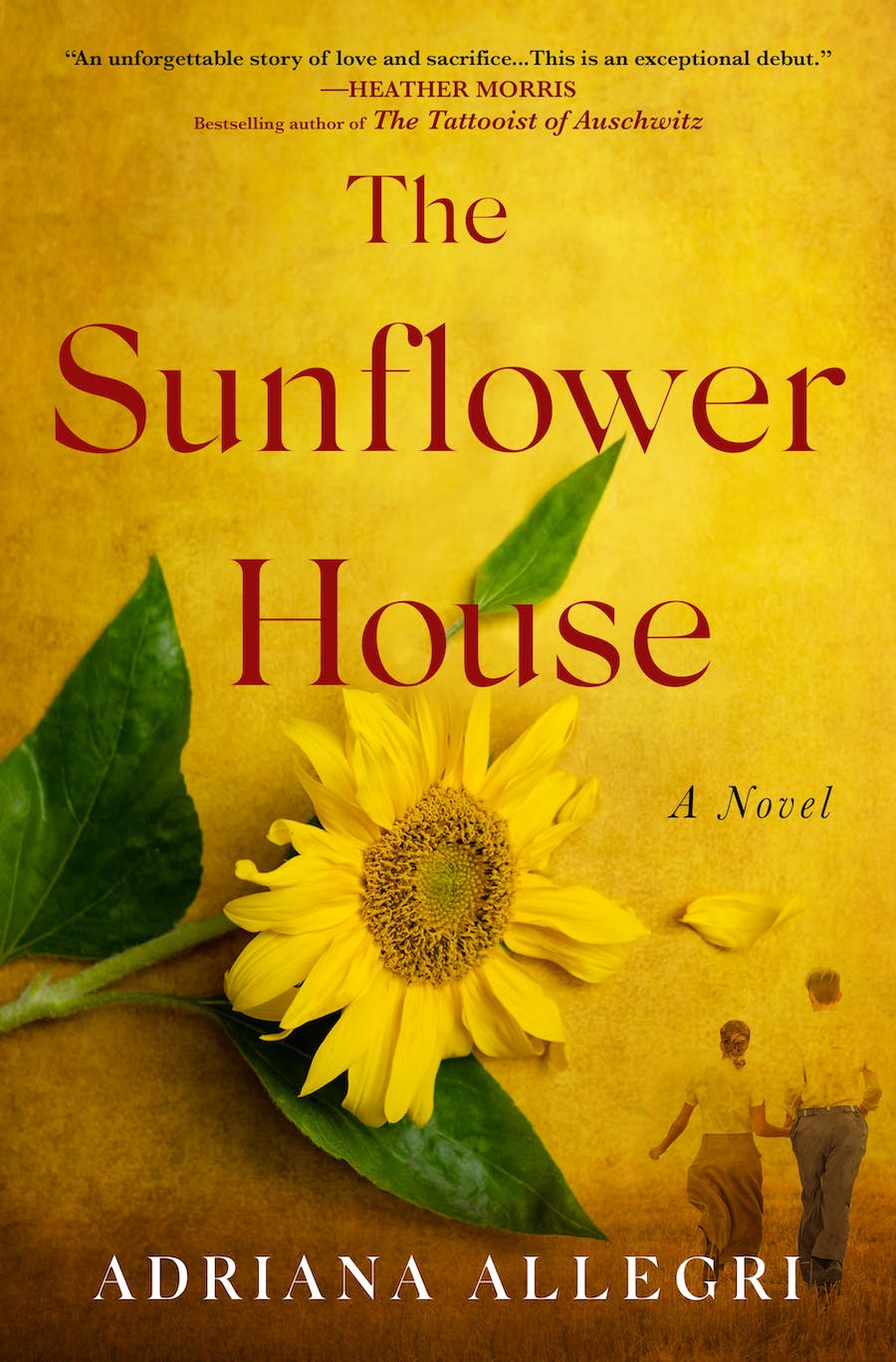
Book Review: The Sunflower House

Rating: 4 stars

Family secrets come to light as a young woman fights to save herself, and others, in a Nazi-run baby factory—a real-life Handmaid’s Tale—during World War II.

In a sleepy German village, Allina Strauss’s life seems idyllic: she works at her uncle’s bookshop, makes strudel with her aunt, and spends weekends with her friends and fiancé. But it’s 1939, Adolf Hitler is Chancellor, and Allina’s family hides a terrifying secret—her birth mother was Jewish, making her a Mischling.

One fateful night after losing everyone she loves, Allina is forced into service as a nurse at a state-run baby factory called Hochland Home. There, she becomes both witness and participant to the horrors of Heinrich Himmler’s ruthless eugenics program.

The Sunflower House is a meticulously-researched debut historical novel that uncovers the notorious Lebensborn Program of Nazi Germany. Women of “pure” blood stayed in Lebensborn homes for the sole purpose of perpetuating the Aryan population, giving birth to thousands of babies who were adopted out to “good” Nazi families. Allina must keep her Jewish identity a secret in order to survive, but when she discovers the neglect occurring within the home, she’s determined not only to save herself, but also the children in her care.

A tale of one woman’s determination to resist and survive, The Sunflower House is also a love story. When Allina meets Karl, a high-ranking SS officer with secrets of his own, the two must decide how much they are willing to share with each other—and how much they can stand to risk as they join forces to save as many children as they can. The threads of this poignant and heartrending novel weave a tale of loss and love, friendship and betrayal, and the secrets we bury in order to save ourselves.

I received a digital copy of this book through the publisher on NetGalley for an honest review.

The Sunflower House is a historical fiction novel that takes a look into the real horrors of Germany during World War II. This book tells the story of a young Allina and the horrors she experienced when being forced to be a nurse at one of Germany’s baby factories. I feel like this book did a wonderful job at portraying what Hochland Home was like from the perspective of a young woman looking to save the children she had in her care.

What I enjoyed with reading this book was that I felt like I learned a lot about what Germany was like during that time. As someone who typically doesn’t read historical fiction, I feel this book did a good job at pulling me in and wanting to hear Allina and Karl’s stories and hearing about what happened. I found myself feeling extremely empathetic, especially to Allina as she went through so much at that time in her life in order to get out of Germany.

I feel like the author of this book did a wonderful job at portraying what Hochland Home was like for someone who had never heard of these baby factories before. I feel like a lot of research and care was put into writing The Sunflower House and even though that made it a difficult read, I was interested to see what would happen with these characters in their efforts to save these children and thwart Hitler.

While the romance between Allina and Karl isn’t the overall main plot of the story, I enjoyed getting to see their relationship develop. The way their relationship comes together wasn’t what I originally expected here, but I enjoyed it, nonetheless. It was wonderful to see that they both had someone who they could trust during this dark time in their lives, and I enjoyed seeing them work together when it came to the children in Hochland Home and doing whatever they could to help them.

If I had to choose anything with The Sunflower House to criticize it would be that I felt like certain details were left out that to me would’ve been nice to have. For example, I feel like the choice Allina’s fiancé at the beginning of the book makes is never fully explained and I feel like it never revealed how Karl’s plot to assassinate Hitler was discovered. Both of these are things I wanted more details on that were never addressed that to me I wish had been. I also wanted to know what had happened to Allina’s friends from the beginning of the book as it was never revealed if they were actually alive or not. Not having the answers to all of these things in the book bothered me. While I understand to a certain extent why they weren’t addressed, I feel like they should’ve been.

As a whole, The Sunflower House was a good historical fiction read that took a look at one of the many horrors that had occurred in Germany during World War II. I feel like this book is a good read for anyone who enjoys historical fiction, especially historical fiction that takes place during World War II. And I highly recommend it as I feel like you’ll learn something from reading this book just like I did. The Sunflower House is set to release on November 12, 2024 for those interested in reading this book.

Thank you so much for stopping by and reading my review of The Sunflower House! If you enjoyed my review of this book, don’t hesitate to share your thoughts in the comments below or check out another one of my blog posts.

Book Review: A Song to Drown Rivers

Rating: 4 stars

Inspired by the legend of Xishi, one of the famous Four Beauties of Ancient China, A Song to Drown Rivers is an epic historical fantasy about womanhood, war, sacrifice, and love against all odds.

Her beauty hides a deadly purpose. Xishi’s beauty is seen as a blessing to the villagers of Yue—convinced that the best fate for a girl is to marry well and support her family. When Xishi draws the attention of the famous young military advisor, Fanli, he presents her with a rare opportunity: to use her beauty as a weapon. One that could topple the rival neighboring kingdom of Wu, improve the lives of her people, and avenge her sister’s murder. All she has to do is infiltrate the enemy palace as a spy, seduce their immoral king, and weaken them from within.

Trained by Fanli in everything from classical instruments to concealing emotion, Xishi hones her beauty into the perfect blade. But she knows Fanli can see through every deception she masters, the attraction between them burning away any falsehoods.

Once inside the enemy palace, Xishi finds herself under the hungry gaze of the king’s advisors while the king himself shows her great affection. Despite his gentleness, a brutality lurks and Xishi knows she can never let her guard down. But the higher Xishi climbs in the Wu court, the farther she and Fanli have to fall—and if she is unmasked as a traitor, she will bring both kingdoms down.

I received a digital copy of this book through the publisher on NetGalley for an honest review.

A Song to Drown Rivers is a beautifully woven tragedy. From beginning to end, I enjoyed reading Xishi’s story as she went to the Wu kingdom to seduce their king and cause their kingdom to fall. I enjoyed reading about the Wu and Yue kingdoms and getting insight into what her world is like.

As someone who normally doesn’t enjoy historical fiction, I enjoyed this book a lot. I enjoyed Xishi’s character in this story as I felt like as she was learning all she needed to know to survive in the Wu kingdom, she was realizing how powerful her beauty could be. I also felt like as her story went on, she was developing into a wonderful character and someone I wanted to see get the happy ending she deserved.

What I also enjoyed reading this book was seeing Xishi’s relationships with her best friend Zhengdan and the Wu kingdom’s king Fuchai she was to seduce. I loved her friendship with her best friend as Zhengdan was the type of friend if I were in this situation that I’d want by my side. She’s smart, both with her tongue and blade, and their interactions throughout the story were great to read. I definitely found myself sad at how their friendship comes to an end here, but after what happens leading up to it, I also wasn’t all that surprised either as I felt like Xishi was going to experience loss at some point during the story. What I enjoyed about Xishi’s relationship with Fuchai is that there ends up being more to him than expected. In the beginning of A Song to Drown Rivers, Xishi mentions some of the things about the Wu king that she’d heard, and I feel like its discovered that most of what she heard about him isn’t quite true. If anything, I feel like most of the actions he took regarding his kingdom were due to the influence of his advisor Wu Zixu and I felt like he didn’t particularly care about running the Wu kingdom. And I feel like I enjoyed his relationship with Xishi a lot more than her relationship with Fanli as I felt like I could see what all he would do for her to make her happy. I also felt like I could feel his love for her as I was reading this book and I also felt like a part of her cared for him just as much too with how she felt at the end when she realized what would happen as the result of her betrayal. Even though I knew the odds were extremely slim, a part of me actually hoped she’d stay with Fuchai as I felt like they could’ve had a wonderful life together, politics of war aside.

What I didn’t particularly care for in A Song to Drown Rivers was her relationship with Fanli. Her relationship with Fanli didn’t feel all that real to me because I felt like she liked him due to him saving her life at the beginning of the book when they first met. I also just didn’t really see the connection between the two of them as I felt like Fanli was just too calm and serious due to the nature of his job of being the advisor to the Yue king that you rarely see his walls come down or see him express emotion. There are moments here and there where he does, but you don’t really see them often enough. What probably doesn’t help with this is that you don’t see them together enough which I feel like didn’t help me see their connection to each other. I feel like if they had been given more time in the book together, I would’ve had a much easier time seeing their relationship for what it was described to be. Don’t get me wrong, I liked his character. I just didn’t imagine the relationship between them and saw him more like a father figure.

What I also didn’t like was how tragic A Song to Drown Rivers gets. I enjoyed the book overall but wasn’t expecting so much sadness to occur. Though maybe a part of me did expect it when I realized Fuchai wasn’t at all what I expected his character to be like as that had me wondering if there was more going on that as a reader I wasn’t privy to. It made me question Xishi’s mission and whether she should trust the king of her kingdom or if she should stay in the Wu kingdom and stay with Fuchai. I also just felt like none of the characters deserved the fate they were given as I felt like Fuchai and Xishi both deserved a happier ending even if Xishi was with Fanli instead of him.

But in the end, I enjoyed reading A Song to Drown Rivers despite how tragic the story gets and highly recommend it. I consider it one of the best reads I’ve had in 2024 so far and can’t wait for its release in October this year as I definitely want to get my own copy of this book once it’s published.

Thank you for stopping by and reading my review of A Song to Drown Rivers! If you enjoyed my review of this book, don’t hesitate to share your thoughts in the comments below or check out another one of my blog posts.    

Book Review: Mama Flora’s Family

Mama Flora's Family Book Cover

Rating: 4 stars

In the tradition of “Roots” and “Queen,” Mama Flora’s Family” is a sweeping epic of contemporary American history, culled from the unpublished works of award-winning writer Alex Haley. It is the poignant story of three generations of an African-American family who start out as destitute sharecroppers in Tennessee. Mama Flora is the heart and strength of the family, shepherding her children through hard times after the murder of her husband by white landholders. She has passionate ambitions for her son Willie, but he dashes her dreams by abandoning his church-going roots and moving to Chicago. After fighting in the Second World War, he marries his childhood sweetheart and struggles to build a new urban life for his family.

Flora’s dreams are realized by Ruthana, her sister’s child, whom Mama Flora adopts. Ruthana graduates from college, and as a social worker in Harlem, counsels underprivileged women. Through her love for the radical poet Ben, Ruthana begins to understand her heritage, and after a sojourn in Africa comes to a redemptive understanding of herself.

In Chicago, Willie’s twin son and daughter embrace Muslim militancy and Black Power, and eventually, drugs on their rocky road through the 1960s. Mama Flora struggles to maintain her family, but she also is caught up in the turbulent times. “Mama Flora’s Family” is an American tale as dramatic and touching as anything Alex Haley ever wrote.

Highly recommended read by the love of my life, Mama Flora’s Family tells the story of three generations in one African American family. It’s a story that makes you reflect on America’s past, about a time that isn’t that long ago. For me, it made me feel sympathetic to Mama Flora and her family because I know I’ll never understand what it’s like to face such strong racism because of the color of my skin. But reading this story from her family’s perspective and the different conflicts they had to endure made me briefly feel like I could understand what they were going through and wish things were different during that time for them.

What I especially enjoyed about reading this book was that the story wasn’t just told from Mama Flora’s perspective. You as the reader had different family members sharing their own stories, talking about their own struggles and challenges they are enduring during this time. I especially enjoyed reading the chapters that were told from Ruthana and Willie’s perspective because they both had interesting lives that I enjoyed reading about. I also loved it too because I loved all of these characters, which made me enjoy reading this book, even more, to see what happened to this family.

I also enjoyed reading Mama Flora’s Family because I found myself learning more about America during this time. Especially because I learned more about black history, something that’s never fully taught in school. I especially loved learning about black culture, reading about the different styles of clothing and hair that changed as time went on and how Mama Flora and her family reacted to these changes. As someone who typically doesn’t read historical fiction of any kind because it doesn’t interest me all that much, I found the story of this family to be a fantastic read and it made me interested in wanting to learn more.

The only criticism I have with this book is that I sometimes found the story at times to be a little too preachy. While I completely understand the reasoning behind this, since Mama Flora herself was very strong in her faith and it was such a big part of her life that she raised her family to have a strong faith foundation. I don’t personally have a problem with that, even though I myself am still working on my own beliefs and what I personally believe to be true when it comes to faith and religion. I just think at times there was just too much of it in the story.

But overall, I really enjoyed reading Mama Flora’s Family. Mama Flora and her family dealt with quite a lot during that time and it was nice to see how they handled those difficult moments. I also enjoyed reading this book because I learned so much from it despite historical fiction not being something I personally enjoy reading. It made me as a reader consider reading more stories like this because I love learning and enjoy reading about real struggles people deal with in life.

I really appreciate my partner recommending this read to me and highly recommend this book to anyone wanting to learn more about black history. For those wanting to read about what black families go through when it comes to racism. It opened my eyes further to issues I know I myself will never have to deal with.

Blog at WordPress.com.

Up ↑