Rating: 3.5 stars
Celebrating 15 Years of Kweli: A must-read collection of bold BIPOC voices.
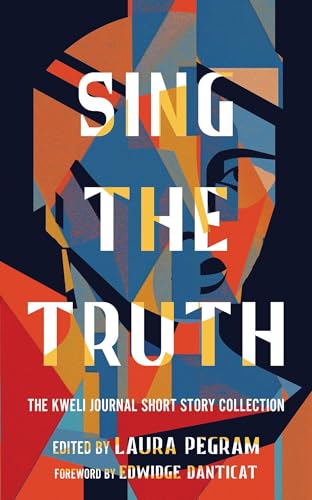
Hailed as “The Paris Review of BIPOC literature,” Kweli Journal has been a launching pad for many of today’s most celebrated writers. This powerful anthology marks the journal’s 15th anniversary, showcasing 15 unforgettable stories curated by founder Laura Pegram.
With a foreword from award-winning author Edwidge Danticat, the narratives included in this vivid anthology explore the devastation of leaving home and the struggle to adapt to reimagined lives, lost loves, distant families, and buried pasts.
Featuring works from authors including Naima Coster, DéLana R.A. Dameron, Nicole Dennis-Benn, Daphne Palasi Andreades, Susan Muaddi Darraj, and Princess Joy L. Perry, this collection is a testament to the richness and diversity of voices often marginalized in mainstream literature. These stories delve into themes of displacement, loss, and resilience, challenging readers to broaden their perspectives and deepen their understanding of the human experience.
All proceeds from this collection go directly to Kweli Journal, ensuring the continued support of emerging BIPOC writers and the creation of a vibrant literary community.
I received a digital copy of this book on NetGalley for an honest review.
The collection of short stories in the Kweli Journal’s Sing the Truth was an enjoyable read for me. What I liked about these stories is how I felt like I was the person narrating their stories, like I was living their everyday experience. Even though I know I can’t relate to these characters and all their struggles, I didn’t feel that way when reading their stories. I believe a lot of that is due to how real these characters’ struggles felt to me, which is what I was hoping for when I read this collection.
What I also enjoyed reading Sing the Truth was getting to read stories from BIPOC writers. I’m going to be honest, I’m not always the best at reading a diverse set of books. I have a particular set of genres that I really enjoy reading, and I typically stick to reading books within those genres. However, from time to time, I find myself wanting to give other genres in literature a try. That is when I find myself reading stories I typically wouldn’t, and end up discovering books I enjoy more than I was expecting to.
For me, whenever I read, I usually read books that allow me to escape reality. But I have come to realize, too, that I need to branch out when I read. And for me, that involves reading books outside of the genres I typically enjoy and reading stories that take me out of my comfort zone. As a white woman, I feel like it’s really important that I read stories from BIPOC authors and that I read stories about characters whose voices need to be heard. Stories that are not geared towards someone like me as their intended audience, but that someone like me needs to read all the same, because of the importance of reading about others’ struggles, even if you can’t necessarily relate to them. I also feel like it’s important to read works written by BIPOC authors because I see it as a learning opportunity about other cultures and to acknowledge the struggles people go through just because of the color of their skin. So, for me, I also enjoyed reading this book because of the stories being written by BIPOC writers and having the chance to read about struggles from a perspective I know I’ll never have to face.
What I also found enjoyable about the stories in Sing the Truth was the different themes. A lot of the characters in this collection struggled with loss, feeling out of place, and finances. I enjoyed these stories because they talk about these struggles and how the characters here get through the challenges they are dealing with. I especially enjoyed reading the stories in the collection that focused on loss because of my own experiences with loss that I’ve dealt with. I felt like I could relate to those characters and the choices they made to deal with the loss they were experiencing, even though their loss is different from mine.
There are only two things with this collection of short stories that I didn’t particularly enjoy: the characters and endings. Some of the characters in the short stories I didn’t particularly like. I don’t know for sure if the authors who wrote them made that intentional, but I found some of the characters unlikable. I felt sympathetic for them because of what they were going through, but didn’t like them because of some of the choices they made or how they treated members of their family in the story. The characters, in particular, that come to mind for me are the mothers in most of these stories because of how they used their daughters to get the money they needed. While I understood that they were going through a tough time and needed the money, I wasn’t okay with this aspect in those stories because I felt like the daughters weren’t given a choice in the matter, and the mothers didn’t act like they cared. I also didn’t like the endings for a majority of the stories in this collection. Mostly because I felt like some of the stories ended with no real resolution, or in the middle of the story I was reading, being told. They didn’t make sense to me because they left me feeling like there was more of the characters’ story the author had to tell.
But overall, I enjoyed reading this collection of short stories from the Kweli Journal’s Sing the Truth (link here for anyone interested in checking out their website to learn more about them: https://www.kwelijournal.org/ ). While there aren’t certain stories within the collection that stand out to me to name as my favorite, I enjoyed reading a variety of stories and reading about struggles told by BIPOC authors. Sing the Truth was published on May 13, 2025, for those interested in reading this collection from the Kweli Journal.

 Rainy Day's Books, Video Games and Other Writings